

TL;DR
- SayNine has 14 free tools for SEO audits, content, backlinks, competitor research, and outreach.
- fatjoe offers free tools for keyword rankings, content planning, and other SEO tasks.
- LinkGraph is useful for keyword, backlink, domain, and website analysis.
- Loganix offers free templates for planning and organizing SEO work.
- Free tools work well for quick SEO tasks, while larger or ongoing projects may need paid platforms.
Why Free SEO Tools Are Worth Using
You don’t always need an expensive SEO platform to get useful information about your website or to shape your SEO strategy.
Sometimes you just need to check a backlink, find problems on your website, run a quick keyword analysis, or come up with new ideas for your blog. For all of these, free SEO tools can do the job.
We looked at four platforms that offer useful free tools and resources for different aspects of SEO. Some are better for quick checks, while others can help with content, backlinks, rankings, or planning. Here are four worth checking out.
SayNine
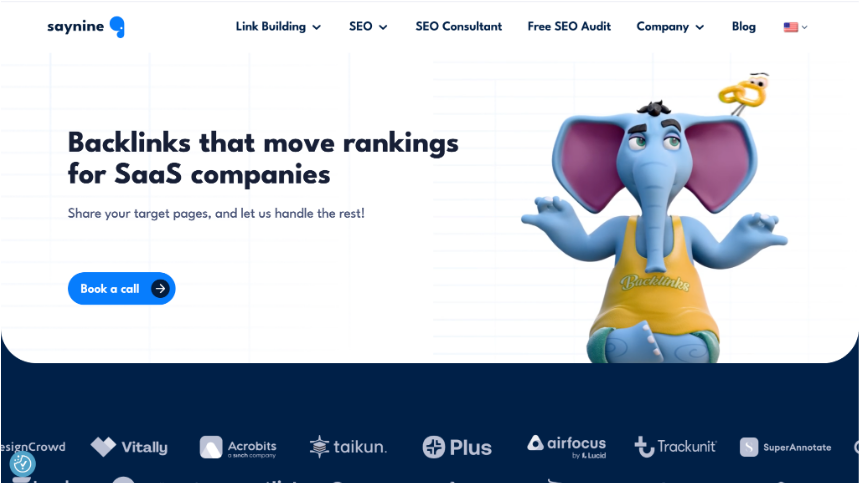
SayNine is a link-building agency that works mainly with SaaS companies and digital service providers. Its focus is helping companies grow their visibility across both Google and AI search.
Alongside its link-building services, SayNine has a collection of 14 free tools covering SEO audits, content, on-page SEO, backlinks, competitor research, and email outreach.
What Can You Use for Free?
Here are all 14 tools currently available:
| Free tool | What it does |
|---|---|
| Free SEO Audit | Crawls up to 2,000 pages and finds common SEO issues, with priorities and areas to fix. |
| Blog Title Generator | Creates SEO-friendly blog title ideas from any topic. |
| Blog Outline Generator | Turns a topic into a structured H1, H2, and H3 outline. |
| Meta Tags Generator | Creates SEO-friendly titles and meta descriptions. |
| URL Slug Generator | Turns a title into a clean, SEO-friendly URL slug. |
| Email Subject Line Tester | Checks cold outreach subject lines for open-rate potential, spam triggers, and weak openers. |
| Email Permutator | Generates possible email addresses using a person’s name and domain. |
| Email Verifier | Checks whether an email address is valid before you send a message to it. |
| Readability Checker | Scores text using Flesch, Gunning Fog, and ARI and suggests ways to make it clearer. |
| Keyword Density Checker | Checks keyword frequency and density and helps spot keyword stuffing or content gaps. |
| SERP Preview Tool | Shows how a page can appear in Google results on desktop and mobile. |
| Open Graph Preview | Shows how a link can look when shared on Facebook, X, LinkedIn, and Slack. |
| Dofollow Backlink Checker | Checks whether a backlink is dofollow or nofollow and shows its surrounding context. |
| Competitor Research | Compares your site with two competitors and looks at backlink gaps in Google and AI search. |
Where Should You Start?
That depends on what you’re working on.
- Whole-site check: Start with the Free SEO Audit.
- Content: Use the Blog Title Generator, Blog Outline Generator, Keyword Density Checker, and Readability Checker.
- Backlinks: The Dofollow Backlink Checker and Competitor Research tools are more useful.
- Outreach: Use the tools for testing subject lines, finding possible email addresses, and verifying them before you send.
You don’t need to use all 14. Pick the tool that matches what you’re working on.
fatjoe
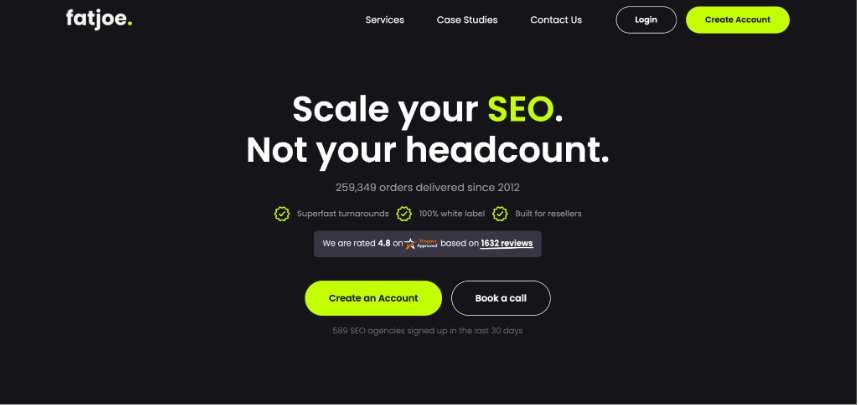
fatjoe is mainly known for outsourced SEO, link building, and content services, but it also has 15 free marketing tools covering SEO, content, link building, video, and advertising.
One of the most useful for SEO is FATRANK, its keyword rank checker.
What Can You Use for Free?
With FATRANK, you choose a website, country, and keyword, and it shows where that website ranks in Google for that keyword. It is available as an app and as a Chrome extension.
Some of the other tools include:
- Keyword Clustering Tool
- SEO Topical Map Generator
- SEO Value Calculator
- Meta Title and Description Generator
- Blog Content Brief Generator
- Blog Title Generator
- NoFollow Link Highlighter
- Statistics Finder
The collection is especially useful if you work with SEO content. For example, you could use the topical map and keyword clustering tools while planning content, create a brief, and then use the title generator once you’re ready to start writing.
Where Should You Start?
Try FATRANK if you simply want to know where a page ranks for a particular keyword. For content, the Blog Content Brief Generator and Blog Title Generator are easy places to start.
The tools are fairly focused, so pick the one that matches the task you’re working on.
LinkGraph

LinkGraph’s free SEO tools focus more on research and website analysis. Instead of offering lots of small content generators, the collection includes tools for checking keywords, backlinks, domains, and the overall health of a website.
What Can You Use for Free?
Some of the available tools include:
- Keyword Search Volume: Checks monthly Google search volume.
- Free Backlink Analysis: Gives you information about backlinks pointing to a URL.
- Free Site Audit: Checks SEO metrics and the overall SEO health of your site.
- Bulk DA Checker: Checks Page Authority (PA), Domain Authority (DA), and spam metrics for up to 10 URLs.
- Robots.txt Generator: Helps create rules for search engine crawlers.
- Directory Listing Scan: Checks business information for possible problems.
When Is It Useful?
LinkGraph makes sense when you already know what you want to investigate. If you’re researching a keyword, use the search volume tool. If you want to look at your backlinks, use the backlink analysis. If you’re not sure where the problem is, the site audit is a better starting point.
The Bulk DA Checker can also save time when you have several domains to check at once.
Loganix
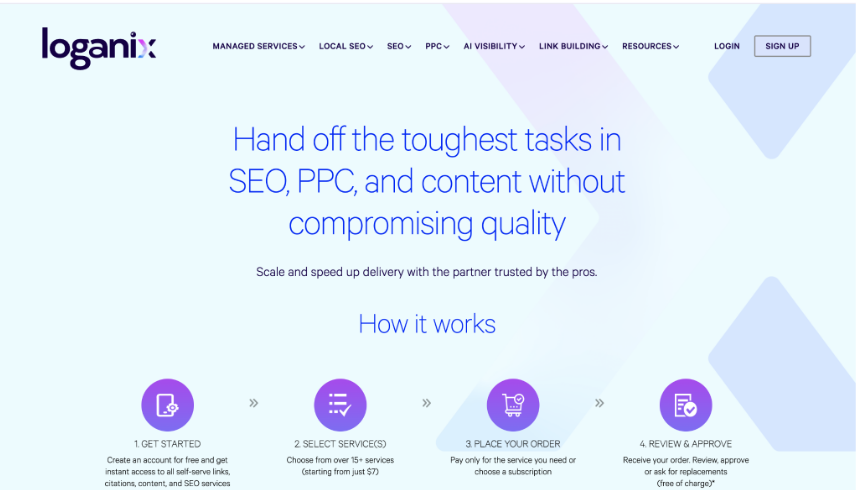
Loganix is a little different from the first three. Its free resources are mostly SEO templates and guides rather than tools that automatically analyze something for you.
The templates cover SEO tasks, content marketing, keyword research, link building, and content briefs. Some are free, while more advanced options are paid.
What Can You Use for Free?
There are templates for tasks such as:
- Building an SEO roadmap
- Planning website structure
- Running a backlink gap analysis
- Tracking backlink outreach
- Finding guest post opportunities
- Planning an SEO content calendar
- Running a content audit
- Finding pages that need a content refresh
The free templates come with instructions, and Loganix says users can copy them into their own Google accounts. You do need to create a free Loganix dashboard account to download them.
Where Should You Start?
The SEO Roadmap Template is useful if your biggest problem isn’t finding data but organizing what to do next. For link building, the Backlink Gap Analysis and Backlink Outreach Tracking templates can help keep research and outreach in one place.
These templates won’t do your SEO for you. Think of them as ready-made systems that save you from building your own spreadsheets from scratch.
Can Free SEO Tools Replace Paid Tools?
It depends on what you need.
For quick SEO tasks, free tools can often be enough. You don’t need a large paid platform every time you want to check a backlink, create a meta description, find a blog title, or spot basic problems on your website.
The limitations become clearer when you need to track hundreds of keywords, analyze large amounts of competitor data, or monitor a big website over time. That’s usually where paid SEO platforms become more useful. For everyday checks, though, there’s plenty you can do without paying.
Final Thoughts
Free SEO tools can make a lot of everyday tasks easier.
SayNine offers a broad mix for website audits, content, on-page SEO, backlinks, and competitor research. fatjoe is useful for rankings and content work. LinkGraph focuses more on keyword, domain, backlink, and website analysis. Loganix is worth checking for SEO templates.
You don’t need every tool on this list. Pick the ones that solve the SEO tasks you deal with most often, and start there.
